

IBS Nutrition Management A Comprehensive Guide for Diet Watchers Clients


Discover how tailored nutrition can transform IBS management, providing relief and improving overall well-being.
Key Insights for Managing IBS Through Nutrition
- Low FODMAP Diet: The most evidence-backed approach, significantly reducing symptoms in a majority of IBS patients by limiting fermentable carbohydrates.
- Personalized Approach: Effective IBS management necessitates tailored dietary plans, often developed with a registered dietitian, to identify individual triggers and ensure nutritional adequacy.
- Beyond Diet: While nutrition is crucial, lifestyle factors like stress management, regular hydration, and consistent meal patterns are also vital for holistic symptom control.
Irritable Bowel Syndrome (IBS) is a prevalent chronic gastrointestinal disorder affecting millions globally, characterized by symptoms such as abdominal pain, bloating, gas, and altered bowel habits (diarrhea, constipation, or both). As of 2025, nutritional interventions have emerged as a cornerstone in managing IBS, with a strong emphasis on personalized approaches to alleviate discomfort and enhance quality of life. For individuals seeking effective IBS nutrition strategies, particularly those integrated within a comprehensive health framework like Diet Watchers, understanding the nuances of dietary modifications is paramount.
This article delves into the latest evidence-based recommendations, spotlighting the low FODMAP diet and other essential nutritional strategies. It aims to empower you with practical, actionable tips to navigate IBS, promoting digestive balance and overall well-being.
Unraveling IBS: The Central Role of Diet and Nutrition
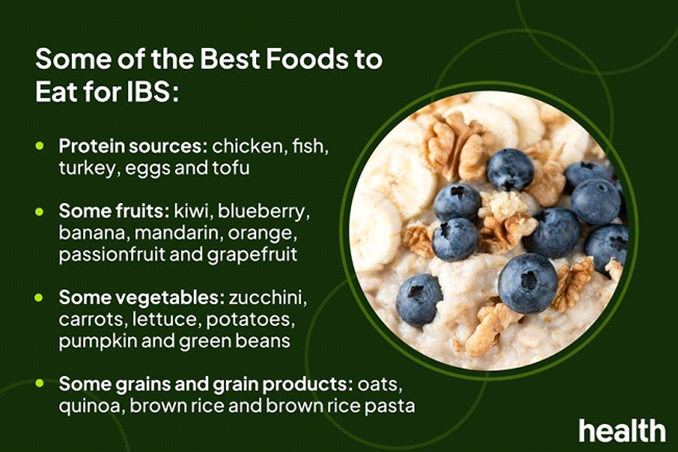
Navigating the complexities of IBS requires a thoughtful and informed dietary approach to find relief.
IBS is categorized as a functional bowel disorder, meaning there’s a disturbance in how the gut works, often without visible signs of damage or disease. Symptoms are frequently triggered or exacerbated by specific foods, making food intolerances and sensitivities a significant factor in symptom severity. The gut-brain axis, a complex communication system between the central nervous system and the enteric nervous system of the gut, also plays a crucial role in IBS symptomatology.
Recent studies, including the 2025 Seoul Consensus on Clinical Practice Guidelines for Irritable Bowel Syndrome, highlight that nutrition-focused interventions are among the most effective non-medical treatments. These interventions can significantly improve global IBS symptoms, including bloating, abdominal pain, and bowel habits, for a substantial majority of patients. For those with IBS, nutrition is not merely about restriction; it’s about making informed choices that minimize fermentation in the gut and foster digestive equilibrium.
The Impact of Fiber: Soluble vs. Insoluble
Fiber intake is a critical consideration for IBS management, but its role is nuanced. The Dietary Guidelines for Americans (2020–2025) recommend a daily fiber intake of 22 to 34 grams. However, for individuals with IBS, the type of fiber matters greatly. Soluble fiber, found in foods like oats, bananas, carrots, and psyllium, tends to be well-tolerated. It dissolves in water to form a gel-like substance, which can help regulate bowel movements—alleviating both constipation and diarrhea—and reduce inflammation.
In contrast, insoluble fiber, present in foods such as whole grains, raw vegetables like cabbage and broccoli, and the skins of fruits, can sometimes worsen symptoms like gas, bloating, and abdominal pain in sensitive individuals. This is because insoluble fiber adds bulk to stool and can accelerate gut transit, potentially irritating an already sensitive digestive system. Therefore, a balanced approach to fiber, prioritizing soluble sources and gradually introducing insoluble fiber, is often recommended.
The Importance of Hydration and Meal Timing
Adequate hydration is fundamental for optimal digestive function and plays a key role in managing IBS. Drinking at least 8 glasses of water daily helps soften stool, prevents constipation, and supports the overall health of the digestive system. Beyond what you eat, how you eat also matters. Eating regular, smaller, and more frequent meals throughout the day can prevent overloading the digestive system, which can trigger symptoms. This approach helps stabilize bowel function and reduces the likelihood of bloating and discomfort often associated with large meals.
The Low FODMAP Diet: A Cornerstone for IBS Relief
One of the most extensively researched and evidence-backed dietary approaches for managing IBS is the low FODMAP diet. FODMAP stands for Fermentable Oligo-, Di-, Mono-saccharides, and Polyols. These are types of carbohydrates that are poorly absorbed in the small intestine and can rapidly ferment in the large intestine, leading to excessive gas production, bloating, pain, and altered bowel habits in sensitive individuals. Studies, including a February 2025 randomized controlled trial reported by Harvard Health, consistently demonstrate that reducing FODMAP intake can significantly ease IBS symptoms.
The low FODMAP diet typically involves three phases:
- Elimination Phase: For a period of 2-6 weeks, all high-FODMAP foods are strictly avoided. This phase aims to reduce symptoms and establish a baseline. Foods to limit include onions, garlic, wheat, certain fruits (like apples and pears), specific vegetables (e.g., asparagus, cauliflower), legumes, and some dairy products.
- Reintroduction Phase: Once symptoms have improved, high-FODMAP foods are systematically reintroduced one at a time, in controlled portions, to identify specific personal triggers. This phase is crucial for understanding individual tolerance levels and expanding the diet as much as possible without triggering symptoms.
- Personalization Phase: Based on the reintroduction findings, a long-term, personalized diet is developed that is as broad and nutritionally adequate as possible, while still effectively managing IBS symptoms. This phase focuses on maintaining symptom control by avoiding known triggers and incorporating well-tolerated foods.
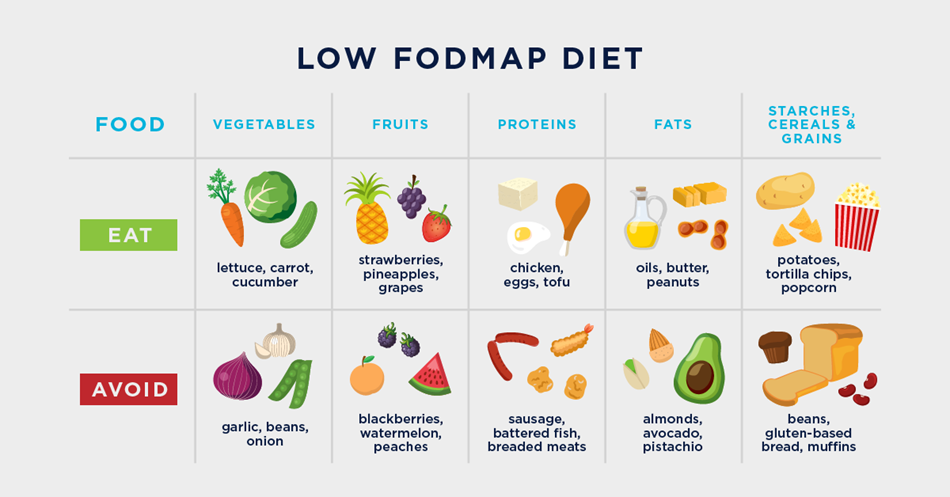
Building a balanced and tasty low FODMAP meal involves careful selection of ingredients.
Research from a 2025 Lancet study on dietary interventions indicates that following a low FODMAP diet can improve symptoms in up to 75% of IBS patients. While effective, this diet is restrictive, and it is crucial to undertake it under the guidance of a registered dietitian or healthcare professional to ensure nutritional adequacy and proper reintroduction, preventing unnecessary long-term restrictions or deficiencies.
Foods to Embrace and Limit on an IBS-Friendly Diet
While individual triggers vary, certain foods are generally well-tolerated or should be limited during an IBS-focused dietary approach:
| Category | Foods to Limit/Avoid (Potentially High FODMAP or Irritating) | Foods to Emphasize (Low FODMAP & IBS-Friendly) |
| Fruits | Apples, pears, mangoes, watermelon, cherries | Bananas, blueberries, oranges, grapes, strawberries, cantaloupe |
| High-fructose fruits | ||
| Vegetables | Onions, garlic, broccoli, cauliflower, cabbage, mushrooms, asparagus, corn | Carrots, spinach, potatoes, bell peppers, zucchini, cucumber, lettuce, green beans |
| Grains & Starches | Wheat (in large amounts), barley, rye, high-FODMAP grains | Oats, rice, quinoa, gluten-free bread/pasta, potatoes |
| Proteins | Fatty or fried meats, processed meats, some legumes (beans, lentils in large amounts) | Lean meats (chicken, turkey, fish), eggs, extra-firm tofu, plain lactose-free Greek yogurt |
| Dairy/Alternatives | Cow’s milk, soft cheeses, traditional yogurt, ice cream (for those with lactose intolerance) | Lactose-free milk/yogurt, hard cheeses (cheddar, Swiss, feta), almond milk, rice milk |
| Sweeteners & Fats | High-fructose corn syrup, artificial sweeteners (sorbitol, mannitol, xylitol), excessive fats, fried foods | Maple syrup, sugar (in moderation), olive oil, coconut oil |
This table provides a concise overview of foods typically recommended for emphasis and those to limit or
dietary approaches to complementary lifestyle factors and the crucial role of professional support.
Beyond Diet: Complementary Strategies for Holistic IBS Management
While dietary modifications are paramount, a holistic approach to IBS management often includes other lifestyle factors that can significantly impact symptom control and overall well-being. These strategies, when combined with a tailored nutrition plan, can lead to more comprehensive and sustainable relief.
Stress Management: Calming the Gut-Brain Axis
Given the strong connection of the gut-brain axis in IBS, stress is a well-known trigger for symptom flare-ups. Implementing effective stress management techniques can be as crucial as dietary changes. Techniques such as mindfulness, meditation, yoga, deep breathing exercises, and regular physical activity can help calm the nervous system, reducing the gut’s reactivity to stress. For Diet Watchers members, integrating physical activity, a core component of weight management, can also contribute to IBS symptom control by improving gut motility and reducing stress.
The Power of Regular Exercise
Regular physical activity is beneficial for general health and specifically for IBS. Exercise can help regulate bowel movements, reduce stress, and improve mood, all of which contribute to better symptom management. Moderate-intensity activities like walking, jogging, cycling, or swimming can be particularly effective. The key is consistency and finding activities that are enjoyable and sustainable.
Understanding Food and Mood Journaling
Keeping a detailed food and mood journal is an invaluable tool for individuals with IBS. This practice involves recording everything consumed, along with any symptoms experienced (e.g., bloating, pain, diarrhea, constipation), and even emotional states. Over time, patterns may emerge, helping to identify specific food triggers that might not be obvious initially. This data is highly beneficial when working with a healthcare professional, as it provides concrete information for tailoring dietary advice.
Why Professional Guidance is Indispensable for IBS Nutrition
Managing IBS through diet, especially restrictive approaches like the low FODMAP diet, can be complex. It is crucial to consult a healthcare professional, ideally a registered dietitian nutritionist with expertise in gastrointestinal health, before making significant dietary changes. A dietitian can:
- Personalize Your Plan: Develop an eating plan tailored to your specific symptoms, nutritional needs, and lifestyle, ensuring it’s sustainable and effective.
- Guide Elimination and Reintroduction: Provide structured guidance through the phases of the low FODMAP diet, ensuring correct implementation and accurate identification of triggers.
- Prevent Nutritional Deficiencies: Help you maintain a nutritionally adequate diet, especially when eliminating common food groups, to prevent potential deficiencies.
- Monitor Progress and Adjust: Regularly assess your symptoms and progress, making necessary adjustments to your diet as your tolerances evolve.
For individuals integrating IBS management with weight management goals, as is often the case with Diet Watchers members, professional guidance becomes even more critical. Some foods promoted in general weight loss programs might be high in FODMAPs or contain artificial sweeteners that can exacerbate IBS symptoms. A dietitian can help navigate these complexities, prioritizing whole, unprocessed foods that are both IBS-friendly and align with healthy eating principles.
FAQ: Navigating IBS Nutrition
What is IBS and how does diet help manage it?
Irritable Bowel Syndrome (IBS) is a common disorder of the gut-brain interaction, characterized by recurrent abdominal pain and changes in bowel habits (diarrhea, constipation, or both). While there’s no cure, dietary modifications are highly effective in managing symptoms by identifying and avoiding specific food triggers that ferment in the gut, leading to discomfort.
What is the low FODMAP diet, and how effective is it for IBS?
The low FODMAP diet is an evidence-based approach that involves temporarily restricting fermentable carbohydrates (FODMAPs) that can cause digestive distress. It’s highly effective, with studies showing symptom relief in up to 75-86% of IBS patients. It typically involves an elimination phase, followed by careful reintroduction to identify individual triggers.
Are there specific types of fiber I should eat or avoid with IBS?
Yes, the type of fiber matters for IBS. Soluble fiber (found in oats, bananas, carrots) is generally well-tolerated and can help regulate bowel movements. Insoluble fiber (in whole grains, raw vegetables like cabbage) may exacerbate symptoms like gas and bloating in some individuals, so moderation or avoidance might be necessary.
How important is hydration for IBS?
Hydration is crucial. Drinking plenty of water (at least 8 glasses daily) helps soften stool, prevents constipation, and supports overall digestive health. Dehydration can worsen constipation and overall digestive discomfort.
Do I need to consult a dietitian for IBS diet management?
It is highly recommended to consult a registered dietitian, especially when attempting restrictive diets like the low FODMAP diet. They can provide personalized guidance, ensure nutritional adequacy, help identify specific triggers through a structured reintroduction process, and prevent unnecessary dietary restrictions or nutritional deficiencies.
Conclusion: Empowering Your Journey to Digestive Wellness
Effective IBS nutrition management involves understanding individual triggers, making evidence-based dietary adjustments, and incorporating complementary lifestyle strategies. By adopting personalized low FODMAP protocols, balancing fiber intake, maintaining hydration, and integrating stress management, patients can achieve meaningful symptom relief and sustained gut health. Diet Watchers, in partnership with qualified healthcare professionals, offers a comprehensive support model that empowers individuals to navigate IBS confidently while aligning with broader wellness goals.

Consistency, expert guidance, and a patient-centered approach remain central to long-term digestive wellness.