

The Diet-Watcher’s Guide to a Diabetic Diet

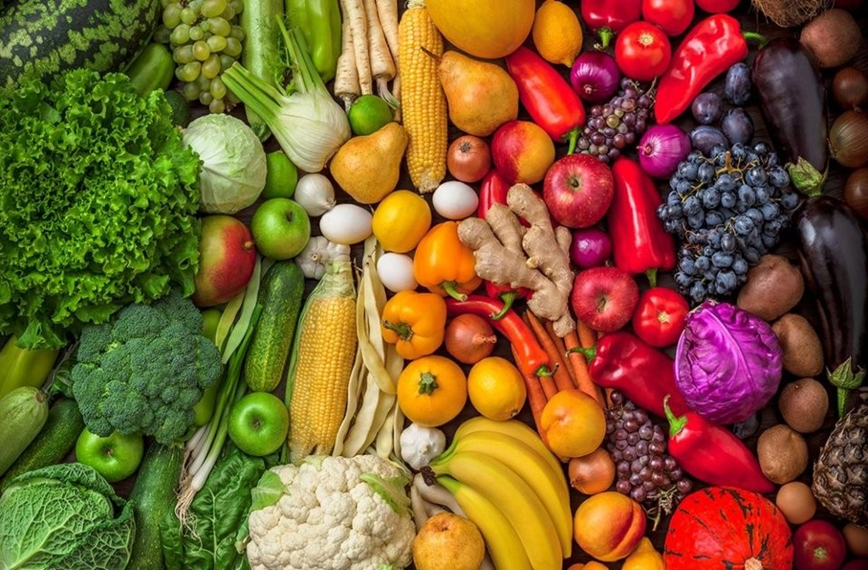
Navigating a diabetic diet can be empowering, transforming how you approach meals for optimal health and well-being.
Essential Insights for Effective Diabetes Management
- Personalization is Paramount: A successful diabetic diet isn’t a one-size-fits-all solution; it must be tailored to individual needs, preferences, and health goals.
- The Plate Method Simplifies Planning: Utilize the Diabetes Plate method—filling half your plate with non-starchy vegetables, a quarter with lean protein, and a quarter with quality carbohydrates—to effortlessly create balanced meals.
- Focus on Whole, Nutrient-Dense Foods: Prioritize whole grains, lean proteins, healthy fats, and an abundance of non-starchy vegetables to regulate blood sugar and enhance satiety.
Embracing a Diabetic Diet: More Than Just Restrictions
For individuals managing diabetes or prediabetes, adopting a thoughtful eating plan is a cornerstone of overall health. It’s not about rigid deprivation but rather about making informed choices that support stable blood sugar levels, weight management, and long-term well-being. The emphasis is on building sustainable habits and fostering a positive relationship with food, rather than adhering to temporary fads.
Philosophy Behind the Nutrition for Diabetics
A diabetic diet is inherently a balanced eating plan that prioritizes nutrient-rich, whole, and unprocessed foods. Its core objective is to prevent drastic fluctuations in blood glucose levels. This approach involves mindful portion control, strategic carbohydrate management, and a focus on foods that offer sustained energy and satiety. It’s about understanding how different food groups impact your body and making choices that empower your health journey.
The Importance of Personalization
While general guidelines are beneficial, the most effective diabetic diet is a personalized one. Factors such as individual goals, taste preferences, lifestyle, and any medications play a crucial role in shaping a meal plan. Consulting with a registered dietitian nutritionist (RDN) or a certified diabetes care and education specialist (CDCES) is highly recommended to develop a tailored strategy that aligns with your unique needs and helps you achieve specific health outcomes, such as lowering A1C levels.
Pillars of a Healthy Diabetic Eating Plan
Several key principles form the foundation of a successful diabetic diet, ensuring you receive essential nutrients while effectively managing blood sugar.
Strategic Macronutrient Balance
A well-structured diabetic diet carefully balances carbohydrates, proteins, and fats. While carbohydrates directly influence blood sugar, proteins and healthy fats are vital for satiety and overall health. The goal is to choose sources of these macronutrients that support stable glucose levels and provide lasting energy.
- Carbohydrate Management: Understanding the impact of carbohydrates on blood sugar is paramount. opt for complex carbohydrates found in whole grains, which are rich in fiber and help slow glucose absorption, preventing rapid spikes. Managing portion sizes of carbohydrate-containing foods is equally important. Eating carbohydrates alongside protein, fat, or fiber can further mitigate blood sugar rises.
- Lean Proteins: Incorporating adequate lean protein sources like fish, poultry, beans, tofu, eggs, and unsweetened dairy is crucial. Protein helps stabilize blood sugar, promotes muscle health, and contributes to feeling full for longer.
- Healthy Fats: Healthy fats, such as monounsaturated and polyunsaturated fats found in olive oil, avocados, nuts, and fatty fish (like salmon), support heart and brain health and can positively influence blood sugar management. These fats also add flavor and enhance satiety.
The Diabetes Plate Method: A Visual Guide to Balanced Meals
The Diabetes Plate method is a simple yet powerful tool for meal planning that eliminates the need for complex counting or measuring. It provides a visual framework for creating balanced, portion-controlled meals effortlessly.
The Diabetes Plate method simplifies portion control and balanced meal composition.
Here how to apply:
- Half Your Plate: Non-Starchy Vegetables: Fill half of your plate with non-starchy vegetables such as broccoli, spinach, kale, green beans, or bell peppers. These are low in calories and carbohydrates but packed with essential vitamins, minerals, and fiber.
- One-Quarter Your Plate: Lean Protein: Dedicate one-quarter of your plate to lean protein sources. Examples include grilled chicken or fish, tofu, lentils, or beans. Protein helps stabilize blood sugar and keeps you feeling full.
- One-Quarter Your Plate: Quality Carbohydrates: The remaining quarter of your plate should be reserved for quality carbohydrates. This could be a small portion of whole grains like brown rice or quinoa, starchy vegetables like sweet potatoes, or a piece of whole fruit.
Food Choices: What to Embrace and What to Limit
Making conscious food choices is fundamental to managing diabetes. Focusing on nutrient-dense foods while moderating those that can cause blood sugar spikes is key.
Prioritizing Wholesome Foods
Embracing a wide variety of whole, unprocessed foods from all food groups is highly recommended. These foods provide essential nutrients and fiber, contributing to stable blood sugar and overall health.

Meal A sample illustrates ideal food choices for diabetes management.
Key foods to prioritize include:
- Non-Starchy Vegetables: Spinach, broccoli, kale, green beans, cauliflower, bell peppers, tomatoes, and cucumbers. These are low in carbohydrates and rich in fiber and vitamins.
- Lean Proteins: Fish (especially fatty fish like salmon), shellfish, chicken breast (skinless), turkey, eggs, beans, lentils, chickpeas, tofu, tempeh, edamame, and unsweetened Greek yogurt.
- Whole Grains: Whole wheat bread, brown rice, quinoa, oats, barley, and whole-grain pasta. These provide sustained energy and fiber.
- Fruits: Whole fruits (preferred over fruit juices due to higher fiber content), such as berries, apples, pears, and oranges. Consume in moderation due to natural sugar content.
- Healthy Fats: Avocados, nuts (almonds, walnuts, pecans), seeds (chia, flax, pumpkin), and olive oil. These contribute to heart health and satiety.
Foods to Limit or Consume in Moderation
Certain foods can cause rapid blood sugar spikes and should be limited or avoided to maintain optimal glucose control.
- Added Sugars and Sugary Drinks: Sodas, fruit juices (even 100% juice), sweetened teas, candies, desserts, and pastries. These provide empty calories and can significantly elevate blood sugar.
- Refined Grains: White bread, white rice, regular pasta, and highly processed snacks. These lack fiber and can lead to quick blood sugar surges.
- Foods High in Saturated and Trans Fats: Fried foods, fast food, processed meats, and many baked goods. These can contribute to insulin resistance and increase the risk of heart disease.
- Dried Fruits: While natural, dried fruits are concentrated sources of sugar and should be consumed in very small portions, if at all.
Understanding Key Dietary Approaches and Programs:
Beyond general principles, specific dietary approaches and programs can offer structured guidance for managing diabetes
The Role of Structured Programs Like Diet Watchers
Programs like Diet Watchers offer a structured, science-backed approach to managing diabetes through balanced nutrition, portion control, and sustainable habits. The Diet Watchers Diabetes Program, focuses on nutrient-dense food and low in added sugars, such as lean proteins, high-fiber vegetables, and unsweetened dairy. These foods form the foundation of meals, making it easier to manage blood glucose without feeling deprived.
The program also allows users track their intake to ensure balanced portions, supporting both blood sugar management and weight loss. This comprehensive strategy, often aligned with the Mediterranean-style eating pattern, emphasizes whole grains, lean proteins, and healthy fats,
which can reduce the risk of diabetes complications and help lower A1C levels.
Consideration of Specialized Diets
While a balanced approach is generally recommended, some specialized diets, such as the ketogenic diet (low in carbohydrates), are explored for their potential benefits in managing type 2 diabetes. However, such diets should always be undertaken with extreme caution and under the direct supervision of a healthcare professional due to their restrictive nature and potential for nutrient deficiencies or adverse effects.
Practical Strategies for Success
Implementing a diabetic diet effectively requires practical tools and consistent habits.
Monitoring and Tracking
- Food Diary: Keeping a detailed food diary or using a food tracking app can help you monitor your carbohydrate and sugar intake, identify patterns, and make necessary adjustments.
- Blood Sugar Monitoring: Regularly checking your blood sugar levels provides immediate feedback on how different foods affect your body, enabling you to refine your diet.
Integrating Lifestyle Factors
Diet is only one component of diabetes management; lifestyle factors play an equally crucial role:
- Hydration: Staying well-hydrated by drinking adequate water throughout the day is essential for overall health and can help manage hunger.
- Physical Activity: Regular exercise improves insulin sensitivity, supports weight management, and positively impacts blood sugar control.
- Regular, Balanced Meals: Aim for consistent meal times and balanced meals and snacks throughout the day to help maintain stable blood sugar levels and prevent extreme highs or lows.
- Weight Management: If you are overweight or obese, achieving and maintaining a healthy weight can significantly improve insulin sensitivity and overall diabetes management.

Meal Planning and Ideas for Your Diabetic Journey
Strategic meal planning is vital for consistent blood sugar management. Here’s how to simplify it and some delicious ideas.
Creating Your Meal Plan
Meal planning helps you stay organized and make healthy choices without last-minute stress. Consider these elements:
- Variety: Ensure your meal plan includes a wide range of vegetables, proteins, and healthy fats to obtain all necessary nutrients.
- Snacks: Incorporate healthy snacks like nuts, Greek yogurt, or vegetable sticks with hummus to maintain stable blood sugar between meals and prevent overeating.
- Recipe Exploration: Explore diabetic-friendly recipes online or from cookbooks. Many resources provide delicious options that adhere to dietary guidelines without sacrificing flavor.
Frequently Asked Questions About Diabetic Diets
What is the primary goal of a diabetic diet?
The primary goal of a diabetic diet is to manage blood sugar levels, prevent spikes, and provide the body with essential nutrients to maintain overall health and reduce the risk of long-term complications associated with diabetes.
Can I still eat carbohydrates on a diabetic diet?
Yes, carbohydrates are an essential part of a healthy diet. The key is to manage portion sizes and choose complex carbohydrates like whole grains, which are rich in fiber and have a slower impact on blood sugar levels compared to refined carbohydrates.
How important is portion control in a diabetic diet?
Portion control is extremely important in managing a diabetic diet. It helps in controlling total calorie intake, preventing overconsumption of carbohydrates, and maintaining stable blood sugar levels, which also aids in weight management.
Do I need to avoid all sugar if I have diabetes?
While it’s crucial to limit added sugars and sugary drinks, it’s not necessary to avoid all sugar. Natural sugars found in whole fruits and some dairy products can be consumed in moderation as part of a balanced diet, considering their fiber and nutrient content. The focus should be on minimizing refined sugars and being mindful of hidden sugars in processed foods.
Is it necessary to consult a professional for a diabetic meal plan?
While general guidelines are helpful, consulting a registered dietitian nutritionist or a certified diabetes care and education specialist is highly recommended. They can help create a personalized meal plan tailored to your specific health needs, lifestyle, and dietary preferences, ensuring optimal diabetes management.
Conclusion: Your Path to Empowered Eating
Embarking on a diabetic diet is a journey towards greater health and vitality. By focusing on whole, unprocessed foods, understanding the impact of macronutrients, and employing practical strategies like the Diabetes Plate method, you can effectively manage your blood sugar levels and improve your overall well-being. Remember, personalization, consistency, and professional guidance are your strongest allies in building sustainable eating habits that nourish your body and support your long-term health goals. With a mindful approach and smart food choices, a diabetic diet can be both delicious and deeply rewarding.
Remember, successful diabetes management is not about perfection but about consistency, education, and making informed choices every day. By partnering with healthcare professionals and embracing a balanced lifestyle, you can confidently take charge of your health.
Elallam A. Elawad
B. Pharm, PGDM, MBA.